

Setting a new standard in microalgae production with our combination of modular photobioreactor (PBR) systems and advanced artificial intelligence.
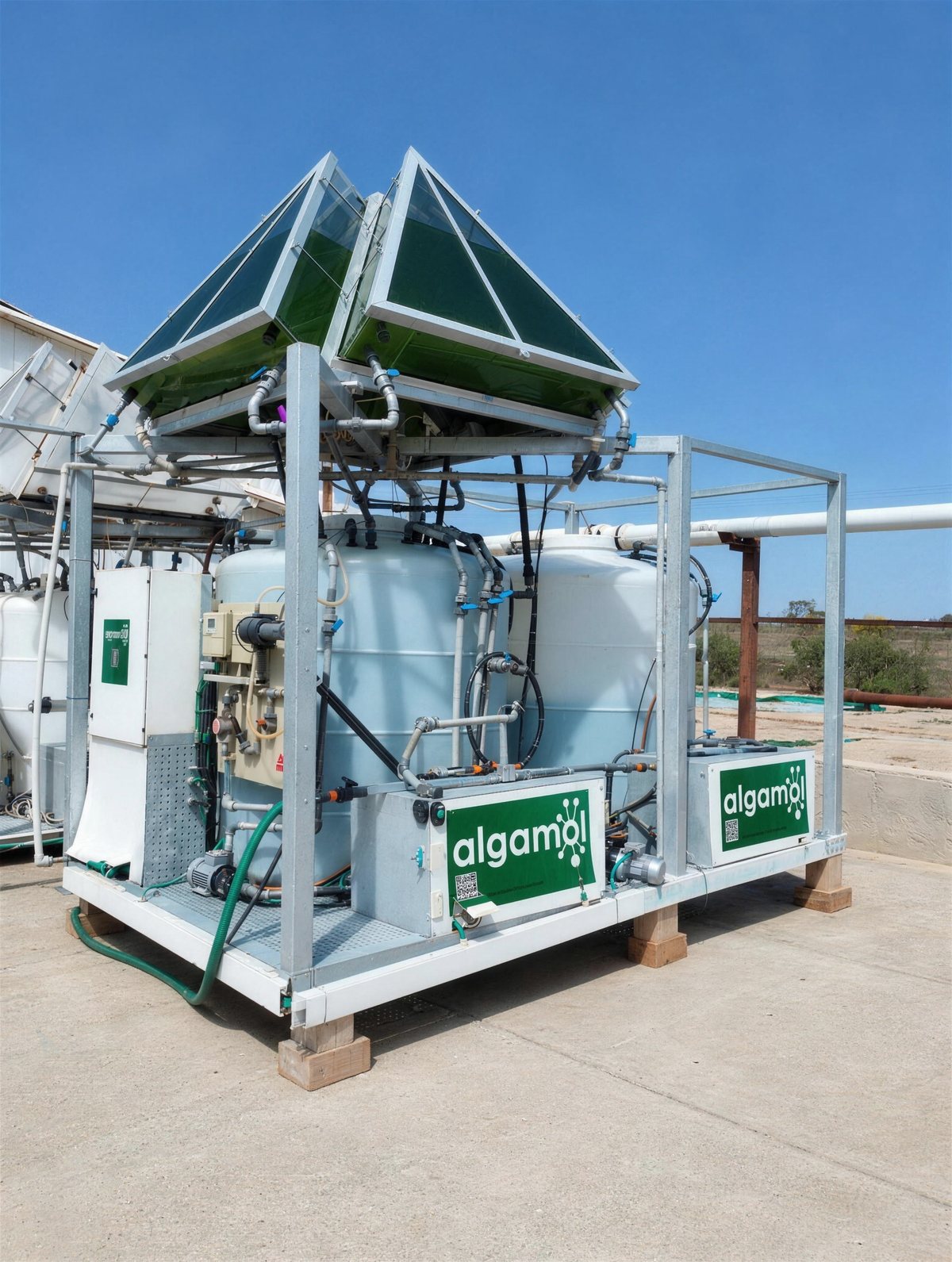
Our technology is designed to empower industries with sustainable, scalable and efficient cultivation solutions that deliver performance and reliability = profitability.
The single 5-cubic-meter PBR consistently produced 1.5 kg of high-quality Nannochloropsis dry powder per day, showcasing its capacity for scalable, high-yield cultivation.
Algamol three-month pilot.
Over the three-month pilot, the system maintained a contamination-free environment, validating its robustness in real-world conditions.
Algamol three-month pilot.
The PBR system operated with a 35% reduction in energy consumption compared to conventional algae cultivation methods. This energy efficiency translates into significant cost savings and reduced environmental impact.
Algamol three-month pilot.
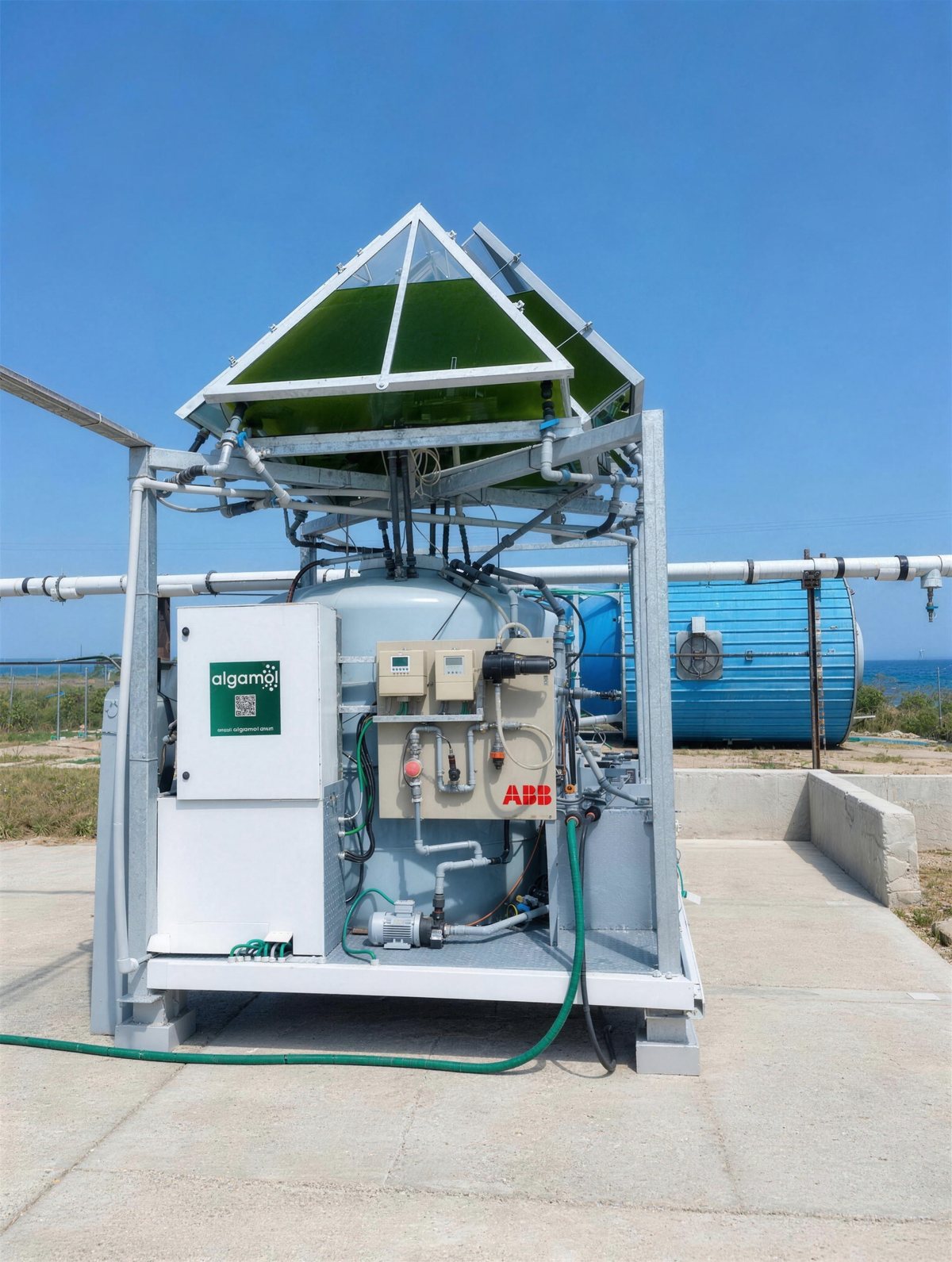
Algamol's modular photobioreactor (PBR) technology underwent rigorous testing during a three-month pilot in Cyprus, achieving remarkable results under operational conditions. The system demonstrated its potential to deliver high yields with exceptional efficiency and reliability.
Microalgae technology is transforming industries by providing sustainable solutions to critical challenges. Its versatility makes it a powerful tool for addressing environmental, economic and societal needs.
Microalgae are rich in plant-based proteins, pigments and omega-3s. Food innovators are using algae for protein powders, dairy alternatives and clean-label products to meet rising demand for sustainable nutrition.
Microalgae provide a nutrient-rich, eco-friendly alternative to fishmeal and fish oil. Global aquaculture operations use algae-based feed to enhance fish health and improve yields sustainably.
Microalgae capture CO₂ from the atmosphere or industrial emissions, contributing to large-scale carbon reduction efforts. These systems support global strategies for lowering greenhouse gases.
Microalgae extracts are prized for their moisturizing, anti-aging and antioxidant properties. Beauty brands integrate algae-based ingredients into creams, serums and masks to meet eco-conscious demand.
Microalgae-derived lipids serve as renewable feedstock for SAF. Companies like Boeing and ExxonMobil are advancing algae-based fuels to meet decarbonization targets, including 100% SAF by 2050 in the U.S.
Microalgae such as spirulina and chlorella are used in supplements for protein, vitamins and antioxidants. These products support immune health, energy and well-being, fueling demand for plant-based nutrition.
Microalgae absorb nitrogen, phosphorus and pollutants from wastewater, transforming it into a resource for cultivation. Municipalities and industries use this technology to meet regulations and generate value.
Algae-derived polymers are a sustainable alternative to petroleum-based plastics. Startups and global brands are adopting algae bioplastics to reduce reliance on non-renewables and combat pollution.
Algamol's advanced modular systems and AI-powered optimization unlock the potential of microalgae for your business. From SAF to aquaculture, we deliver scalable solutions tailored to your needs.
